Phone +86 13698694209
Email info@qdvantis.com
Address
RM 302-26-59 No. 6B, Tong'an 2nd Road, Shibei District, Qingdao Shandong China
Phone +86 13698694209
Address
RM 302-26-59 No. 6B, Tong'an 2nd Road, Shibei District, Qingdao Shandong China

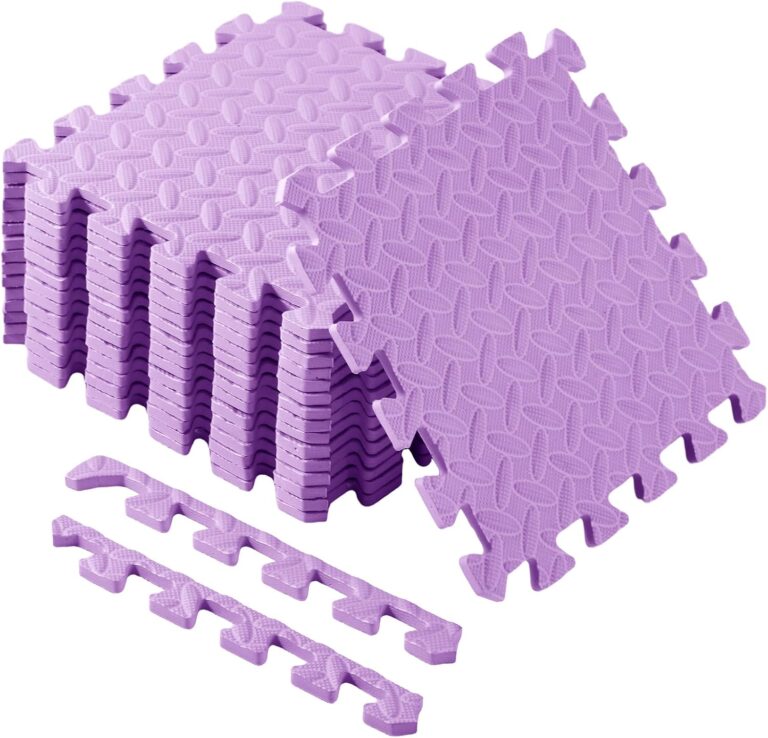
A home gym usually starts with one question: what goes on the floor. Concrete and hardwood are hard on joints and equipment, carpet does not hold up under machine feet. Interlocking EVA puzzle mats solve this quickly, and the 30×30 cm size is the format most home gym owners end up comparing first. This guide covers where the 30×30 size fits, how to pick thickness, how to lay it out, and what to confirm with a supplier before ordering.
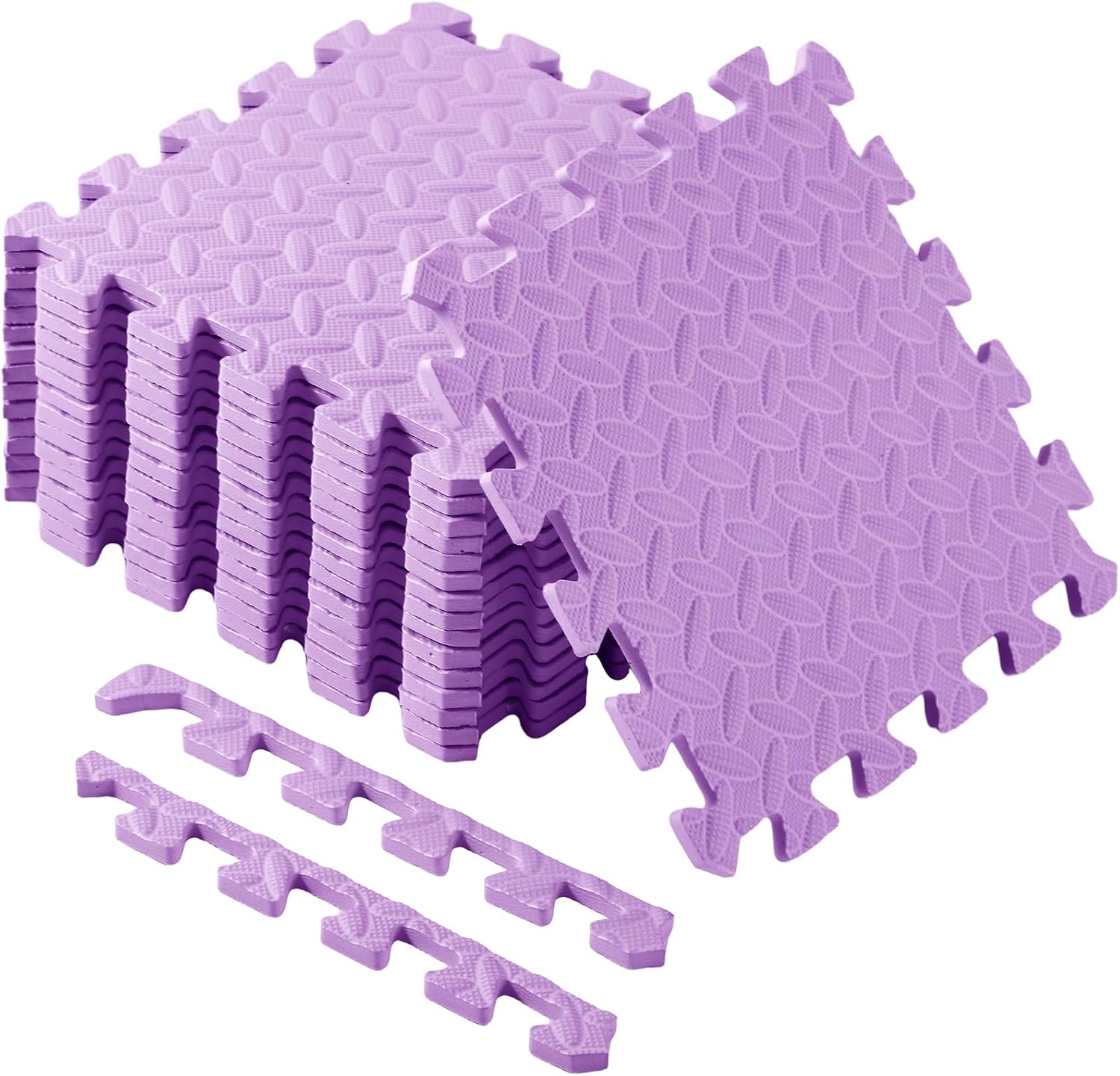
The 30×30 cm tile is the smallest standard size in the EVA mat range, which sits alongside 60×60 cm and 100×100 cm formats. That smaller module is an advantage in a spare room, garage corner or balcony gym. Tiles turn corners and odd-shaped areas without cutting waste, and a single damaged tile can be lifted and replaced instead of redoing the whole floor. The pieces are light enough to carry in a box, so retailers and e-commerce sellers can ship them with standard couriers, and end users can assemble a 4–6 m² training corner in under an hour with no adhesive or tools.
Thickness is the specification buyers get wrong most often. The 30×30 EVA range runs from 4 mm up to 50 mm, and the right choice depends on what happens on top of the mat, not on price alone. The table below is a practical starting point.
| Use case | Recommended thickness | Notes |
|---|---|---|
| Yoga, stretching, bodyweight work | 10–12 mm | Firm, stable surface for balance poses |
| Home gym with machines and dumbbells | 15–25 mm | Absorbs vibration, protects the subfloor |
| Heavy lifting, dropped weights | 30–40 mm | More compression for impact zones |
| Kids’ play or light martial arts drilling | 20–30 mm | Softer fall protection, easy to re-lay |
| Under-treadmill or elliptical | 4–10 mm | Mainly protects the floor from machine feet |
A common setup combines two zones: a thinner layer under cardio equipment and a thicker zone where lifting and floor work happen. Because tiles are modular, this is just a different count of pieces in each area.
One detail worth planning before ordering is the tile layout. The 30×30 tiles interlock with detachable edge strips, so borders finish clean against a wall without exposed puzzle teeth. For larger floors, many buyers lay 30×30 in the main training area and move up to 60×60 tiles to reduce the number of seams. Colors available across the EVA range include red, green, yellow, blue, black and grey. Black and grey remain the volume choices for gym floors because they hide chalk and scuffs, while brighter colors are used to zone areas — for example a grey lifting strip inside a blue general training area. Mixed-color checkerboard layouts are also common in garage gyms and school spaces.
Most complaints about puzzle mats trace back to specification gaps that were never clarified. Before placing an order, it is worth confirming three things with the supplier. First, material consistency: EVA should be closed-cell foam, so the tile does not absorb sweat or cleaning water. Second, certification documentation: for household and school use, buyers typically ask for EN71 and CE, and documentation for REACH/SVHC and formamide content can be requested when importing into the EU and UK. Third, production capacity and lead time — a factory producing 1.8 million pieces per month in the 30×30 format can support both trial orders and repeat volume without long gaps between batches. Asking these questions early also makes comparing quotes much easier, since all suppliers will be pricing against the same specification.
Can 30×30 puzzle mats handle heavy gym equipment?
Yes, in the right thickness. Under treadmills and ellipticals, 4–10 mm tiles protect the floor. For racks and dumbbell work, use 20 mm or thicker and consider rubber flooring in the heaviest zones if weights are dropped regularly.
Do the tiles need adhesive or underlay?
No. The interlocking edges hold the floor together, and the tiles can be laid directly on concrete, wood or tile. No adhesive means the floor is temporary and can be moved or extended later.
How do I clean and maintain an EVA puzzle floor?
Sweep or vacuum debris, then wipe with a damp cloth and mild soap. Avoid strong solvents. Because the foam is closed-cell, spills stay on the surface and dry quickly.
Planning a home gym line, retail range or a single training corner? Request a sample set of 30×30 EVA mats in your target thicknesses and colors, or ask for a quotation based on your layout and quantity.
